Mushrooms Coloring Pages for Kids: A Practical Embroidery Design Review
As an experienced embroidery designer and product reviewer, I always approach a new digital design with a critical eye—especially when it’s intended for commercial use or as part of a handmade product. When I first laid eyes on Mushrooms Coloring Pages for Kids Part 1, I was intrigued by its whimsical charm and potential for versatile application. But does this design actually translate well into real-world embroidery projects? Let’s take a closer look.
First Impressions: Whimsy Meets Simplicity
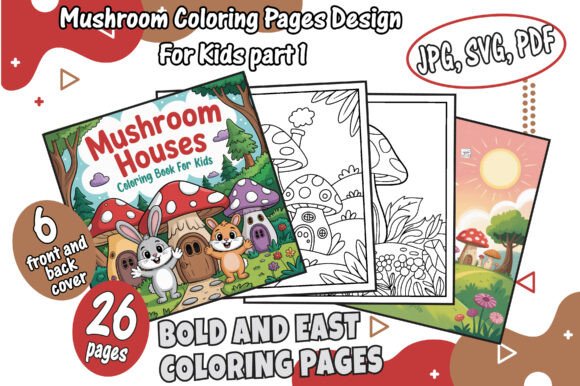
The Mushrooms Coloring Pages for Kids Part 1 design immediately evokes a sense of playful nostalgia. Its layout is clean, with bold outlines and soft, rounded shapes that feel inviting to both kids and adults. The theme centers around a variety of mushroom illustrations—some simple, some more intricate—that are clearly meant to inspire creativity in coloring but also lend themselves surprisingly well to embroidery adaptations.
What stands out is the balance between detail and simplicity. Each illustration has enough character to be engaging without overwhelming the viewer (or stitcher). This makes them ideal for custom apparel, tote bags, baby clothes, and even nursery decor. The visual personality feels gentle and imaginative, which aligns perfectly with the target audience of children and parents alike.
Real-Life Use Case: Custom Tote Bag for a Craft Fair
Let’s imagine a practical scenario: you're preparing a line of custom embroidered tote bags for your next craft fair. You want something unique, eye-catching, yet not too busy. Mushrooms Coloring Pages for Kids Part 1 offers just that. The mushroom motifs can be used either as standalone designs or grouped together to create a cohesive pattern across the bag.
I tested one of the larger mushroom graphics on a cotton canvas tote using satin stitch outlines and fill stitch interiors. The result was charming—each mushroom retained its shape and softness, while the stitching remained clear and crisp. Customers at the fair were drawn to the bags, especially when paired with pastel thread colors and a hand-stamped “Made with Love” tag. It felt like a personalized gift and added value to the product.
Design Performance Across Projects
This design performs admirably in several common embroidery applications:
- Custom Apparel: Perfect for sweatshirts and t-shirts, particularly those aimed at toddlers and young children. The soft curves and minimal negative space work well with knit fabrics.
- Baby Clothes & Items: The mushrooms have a gentle aesthetic that fits beautifully on onesies, bibs, and blankets. Their size and structure allow for easy placement and layering if needed.
- Patches & Caps: Smaller mushroom elements from the pack can be turned into embroidered patches for caps, backpacks, or jackets. They add a subtle touch of personality without being overpowering.
- Apron & Pillow Covers: These items benefit from the design's balanced composition. Used as a central motif or repeated in borders, the mushrooms bring a creative flair that enhances the handmade presentation.
- Tea Towels & Kitchen Accessories: The line art translates well into kitchen linens. With proper stabilizer, the details remain intact even after multiple washes.
- Holiday & Wedding Gifts: For themed gifts, such as Halloween or woodland-inspired presents, these mushrooms can serve as decorative accents or focal points. They’re versatile enough to fit into different color palettes.
Where Caution Is Needed
While the Mushrooms Coloring Pages for Kids Part 1 design is adaptable, there are specific situations where it may require careful handling:
- Small Hoop Sizes: Some of the more detailed mushrooms might be too large or complex for small hoops. Resize carefully to maintain clarity.
- Textured or Stretchy Fabrics: On stretchy materials like spandex blends or flannel, the stitch density must be adjusted to prevent puckering or distortion.
- Thin or Delicate Fabrics: The design includes areas with dense fill stitches, which can cause show-through or stiffness on lightweight materials. Consider simplifying the fill or using a thinner thread count.
- Dark Fabric Backgrounds: While the line art is strong, the contrast on dark backgrounds needs to be tested. Using light-colored threads like white or cream helps the mushrooms stand out.
- Curved Surfaces: When applied to curved surfaces such as caps or round pillows, make sure to adjust the design layout so it wraps smoothly without stretching or distorting.
- Frequent Washing: If using the design on items like aprons or tea towels, test the finished piece through a few laundry cycles to ensure durability and colorfastness.
Visual Appeal and Customer Engagement
One of the biggest advantages of using Mushrooms Coloring Pages for Kids Part 1 is how it enhances the visual appeal of any project. The design naturally draws attention, especially when stitched with high-quality thread and presented on natural or pastel-toned fabrics. The whimsical nature of the mushrooms adds a touch of innocence and playfulness, making the finished product highly giftable and appealing to parents looking for unique, kid-friendly merchandise.
From a branding perspective, this design can help establish a consistent theme for a small shop or Etsy seller focusing on children’s products. Whether you're creating a collection of holiday-themed embroidery or everyday nursery decor, the mushrooms offer a cohesive look that supports brand recognition and professionalism.
Designer Notes: Tips for Real-World Application
To get the most out of Mushrooms Coloring Pages for Kids Part 1 in your embroidery projects, consider the following best practices:
- Test on Scrap Fabric First: Always run a trial stitch before applying the design to your final product. This will help you assess how the design reacts to your machine, fabric, and thread choices.
- Check Thread Color Contrast: Especially important for darker or textured fabrics. Use black or contrasting colors for outlines to ensure visibility.
- Review Stitch Density: Dense fills can affect fabric drape and comfort. Adjust accordingly based on the item you're embroidering.
- Confirm Hoop Size: Larger mushroom designs may need bigger hoops. Don’t assume the file fits unless specified.
- Inspect Small Details: Look closely at tiny lines or inner elements. Some may not stitch cleanly depending on your machine’s capabilities.
- Use Proper Stabilizer: Light-tack stabilizers work best for most applications, but heavier items like pillow covers may need tear-away or cut-away stabilizer for support.
- Test Black and White Mockups: Before purchasing thread, try a monochrome version to see how the design reads in grayscale. This is helpful for previewing in printable mockups or digital listings.
- Compare Light and Dark Backgrounds: Not all designs pop equally on every fabric. Experiment with different tones to find the best match.
- Verify Licensing for Commercial Use: If you plan to sell finished products or digital embroidery files, double-check the licensing terms. You don’t want to risk legal issues down the line.
Stitch Clarity and Product Value
In terms of stitch clarity, the design holds up well when executed properly. The outlines are generally consistent and suitable for satin or running stitch techniques. However, some corners and inner details could be tricky, especially on smaller mushrooms. A steady hand or precise machine settings will make all the difference.
When incorporated into a handmade product, the mushrooms elevate the overall look and feel. Parents love the idea of gifting something cute and educational, and the design’s connection to coloring pages gives it a dual-purpose appeal—it can be used as a printed template or as an embroidered feature. This versatility increases product value and customer satisfaction.
Professionalism and Brand Consistency
For craft business owners and Etsy sellers, maintaining a professional appearance is key. The Mushrooms Coloring Pages for Kids Part 1 design contributes positively to this goal when used thoughtfully. It doesn’t scream “amateur,” but rather suggests quality and intentionality in the product design.
Using the same design across multiple items—like a matching set of onesie and blanket—helps build brand consistency. It creates a recognizable style that customers come to associate with your shop, increasing buyer engagement and repeat purchases.
Final Thoughts for Embroidery Designers and Makers
Mushrooms Coloring Pages for Kids Part 1 is a solid addition to your design assets library, especially if you cater to children’s markets or create personalized gifts. It brings a warm, creative energy to your embroidery projects, and with the right adjustments, it can thrive on a wide range of products.
However, avoid pushing the design beyond its limits. Be mindful of fabric types, hoop sizes, and stitch complexity. Treat it like any other machine embroidery design: respect the limitations, and it will reward you with beautiful results.
If you're launching a coloring book or looking for graphics to include in your next digital product, this design provides a charming foundation. Just remember to confirm compatibility with your tools and platforms, and always test before mass production.